



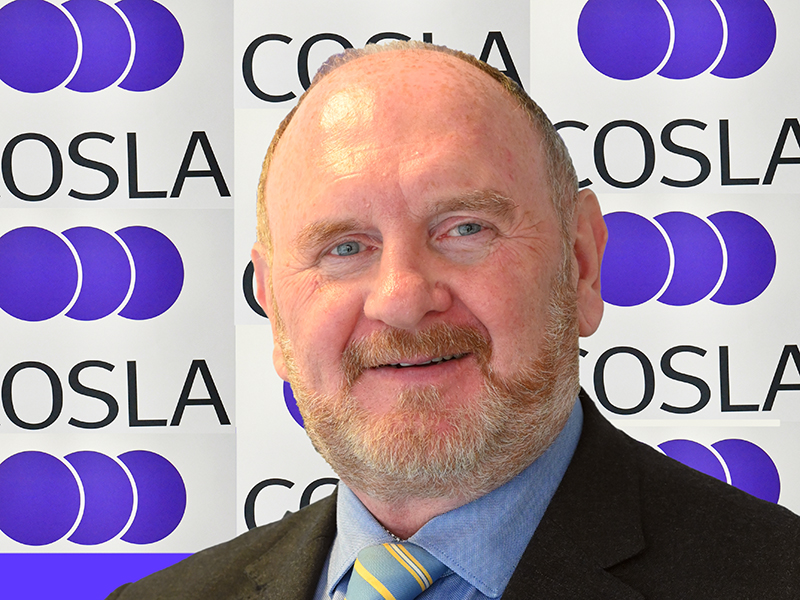
Councillor Tony Buchanan on the COSLA manifesto
George Orwell once observed: “Every generation imagines itself to be more intelligent than the one that went before it, and wiser than the one that comes after it.”
Orwell was a master of words, but I’d offer a slight revision: “Every generation is better informed than the one that went before it, but would be wise to listen to the one that comes after it.”
That belief underpins our manifesto for the 2026 Scottish elections, where children and young people sit firmly at the heart of our vision. We know that if children do not grow up safe, supported, and with the opportunity to thrive, the cost - both to them individually and to Scotland collectively - will be immense.
Listening to the voices of all children and young people, including those with care experience, is essential. Only by learning from past failings can we deliver on The Promise made to this group.
The commitments in our manifesto are ambitious. They reflect a shared determination for real change - change that must be properly resourced and fully implemented across Scotland.
A partnership of equals
Delivering meaningful change for children and young people cannot rest on the shoulders of any single institution. It demands the combined efforts of local authorities, the NHS, national government, police, housing services, and the third sector. Yet too often, vital data and insights remain locked within organisational silos, with legal and technical barriers - such as GDPR - complicating efforts to share knowledge and intervene early.
We must create collaborative, responsive systems that enable joined-up approaches, swift referrals, and holistic support networks built on relationships that place the child and their family at the centre. Frameworks such as GIRFEC (Getting It Right for Every Child) and Children’s Services Planning (CSP) are delivering results, but we need to go further.
Early intervention and whole-family support
Prevention is our guiding principle: the best outcomes come from early intervention.
Swift, holistic support for families - covering housing, urgent financial advice, targeted educational help, mental health services and addiction recovery - has proven effective in preventing issues from escalating. Councils across Scotland prioritise these measures, investing in accessible early learning and childcare, specialist family coordinators and trauma-informed services.
Tailored to local needs, these approaches tackle poverty, build resilience and empower parents and children alike, ensuring interventions are both effective and enduring.
Expanded early learning and childcare (ELC) for vulnerable groups, including those with care experience, provides stability, routine, and nurturing environments that foster trust and emotional development. ELC centres work directly with parents, carers, and professionals to meet children’s needs fully - promoting safety, belonging and healthy development.
Listening to children and young people
As reflected in our revision of Orwell’s famous quote, the voices of children and young people should not simply be heard - they must be central to decisions and processes that affect them, whether in classrooms, health settings or children’s hearings.
Boards comprising young people with lived experience are invaluable in driving improvement. Many councils have established care-experienced advisory groups and youth forums that feed directly into strategic planning and corporate parenting boards. These platforms give young people a real say in policy development, service improvements and commissioning decisions.
Local authorities are also co-designing services with children and young people, shaping language, structures and delivery together. Digital tools and apps provide additional ways for young people to share their views. These are welcome developments, but we must remain focused on amplifying the voices of those with the most valuable experience.
Addressing workforce and equity challenges
Resourcing remains a critical concern for local government.
An August 2024 report highlights severe recruitment and retention challenges across Scotland’s local government workforce, particularly in social work and social care. High vacancy rates, burnout and difficulties attracting new staff persist - especially in remote and rural communities, where housing shortages and limited infrastructure compound the problem.
We are calling for flexible funding and targeted support to address these disparities and ensure high-quality services for every child, wherever they live.
The development of the Scottish Social Work Partnership may help tackle the workforce crisis nationally, but its impact will take years to reach frontline practitioners and families. We need deeper consideration of what happens in the meantime - and how this reality shapes planning, timescales and the sequencing of policy, practice and legislation.
Technology, legislation and online safety
Negative online discourse and social media abuse are harming many young people. Yet rapid technological change also brings opportunities.
Improved national regulation and legislation are essential to keep pace with the digital landscape, but parents, carers and educators must also foster resilience and safe digital habits among young people.
We are not calling for a blanket ban on mobile phones in schools; that decision should rest with headteachers and parent bodies. We support the Scottish Youth Parliament’s position that young people should have the right to use phones during breaks and lunchtimes, while reasonable classroom restrictions support learning. This is a balanced, practical approach.
Measuring success
Meaningful change takes time. We urge policymakers to adopt long-term thinking rather than chasing short-term results. True success lies in sustained improvements - from reduced reliance on statutory care to better employment outcomes and enhanced wellbeing for all children and young people.
Next year’s election offers an opportunity for politicians to prioritise the next generation, just as we have done in our manifesto. This is a complex challenge, but with joined-up thinking, targeted investment, and determination, we can help shape a society that values every individual - from cradle to grave.
Councillor Tony Buchanan is COSLA spokesperson for children and young people.