



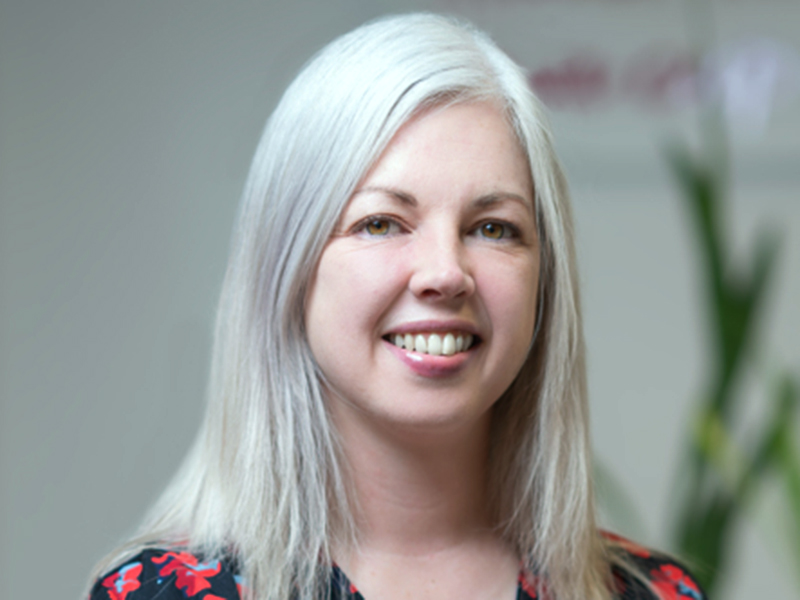
Time for action, says Jane-Claire Judson
Scotland’s health and social care system is at a crossroads. Not because we don’t know what to do, but because we haven’t yet decided to do it.
Our challenge isn’t a lack of strategy, white papers or political commitments. It is the growing gulf between insight and action – between the promises made and the progress felt by people on the ground.
The system is not simply under pressure – it is fragmenting. People are discharged without adequate support. Rehabilitation is inconsistent. Care pathways are complex and often inaccessible. We know this because we hear it from those who live with long-term conditions, who care for loved ones, and who struggle to be heard in systems that too often prioritise process over people.
Scotland cannot afford to treat these realities as unfortunate side effects of a system under strain. And unless they are our starting point for reform, we will continue to design policy that does not deliver for the very people it claims to serve.
If we are serious about building a healthier Scotland by 2048, we must stop focusing on structural reform alone and instead start with a shift in mindset. That begins with trust. Not a passive trust built on slogans, but an active one, earned through decisions that reflect the lived reality of people navigating health and social care systems every day.
There is no reform without risk and effective change means accepting that we will not always get it right first time. It demands leadership that is prepared to move without the safety of certainty and to commit to long-term outcomes rather than short-term popularity.
For too long, Scotland’s approach to reform has been framed by a fear of failure, and that paralysis is costing us dearly.
These ideas were at the heart of the NHS 2048 conference – an independent gathering of voices from across health, social care, policy and lived experience – demonstrating that there is already appetite, urgency and momentum for change.
Progress won’t come by waiting for the perfect financial settlement, or a unanimously supported plan. It comes when we start working with what we have – realigning investment, measuring effectiveness, and choosing coherence over duplication.
There is also a pressing need to confront the binary narrative that pits the NHS against social care, or investment in one as a threat to the other.
Health and social care are interdependent – and funding, strategy and delivery must reflect that. It is not about robbing Peter to pay Paul, It is about prioritising the interventions that change lives and reduce pressure across the board.
Therefore leadership in this context must look different. It must embrace humility. No single person, profession or organisation has all the answers; and yet decisions continue to be made without those most affected by them. We need a new standard – where listening is seen as an act of leadership, not a distraction from it.
We must also challenge our language. Too often, we speak about the NHS as though it is sacred and untouchable – beyond critique. While its founding principles deserve deep respect, that reverence cannot become a barrier to progress. The public understand this better than we give them credit for.
They want improvement. They are willing to support change; but they expect honesty – and they expect delivery.
Scotland is not short on ideas, but it does have a problem with implementation. We produce strategies that rarely survive beyond election cycles. We champion innovation in pilot form, then fail to embed it at scale. We talk about prevention, but spend disproportionately on crisis. The question is not whether we have the vision, but whether we have the resolve to act on it.
The public is ready. Communities are ready. The question now is whether the system is.
By 2048, the children in Scotland’s classrooms today will be adults, shaping the country’s future. Whether they enter a health and care system that enables their potential – or limits it – depends on the decisions made now.
It is no longer enough to ask what needs to change. We must show that we are willing to change it.
Jane-Claire Judson is chief executive of Chest Heart & Stroke Scotland.